
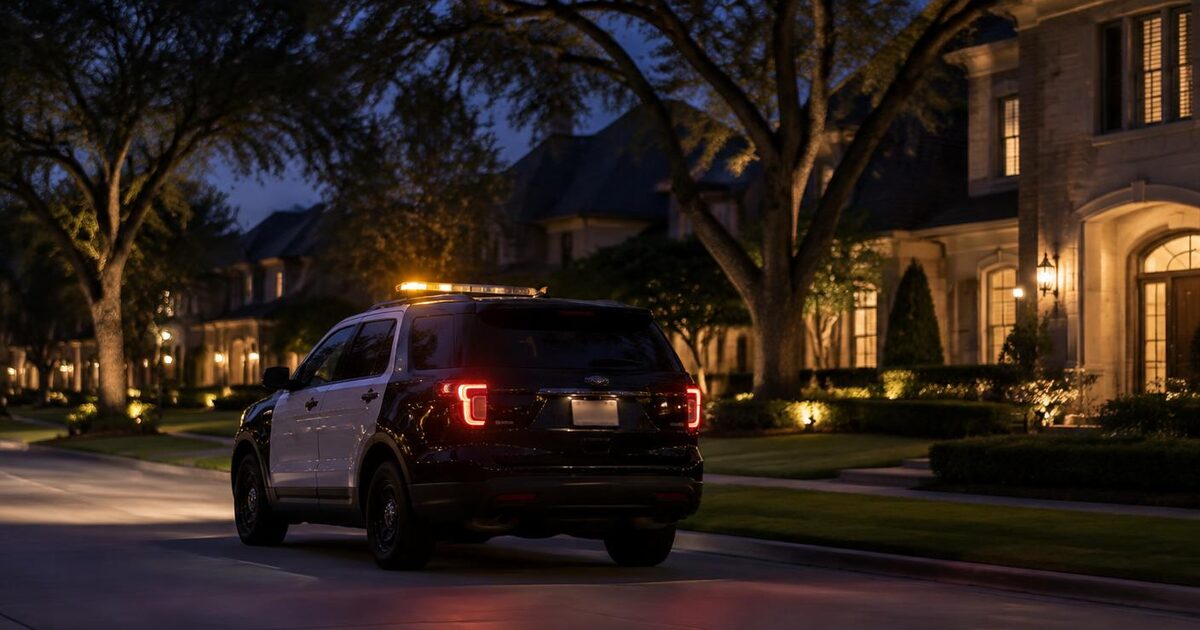
HOA boards across Houston, Katy, Spring and The Woodlands are often asked by residents to "do something about security." A patrol program can help, but planning matters.
Start with what residents are seeing
Before choosing a service, gather facts. Ask residents to report incidents through one channel, and review the last few months of reports from management. Look for patterns: car break-ins near a pool, speeding on one street, trespassing in a park after dark. Patterns tell you where and when coverage will do the most good.
Patrol options for HOAs
Most HOAs choose from three options:
- Mobile patrol: marked vehicles make random checks through the community during set hours. This is visible and cost-effective.
- Standing officer: an officer posted at an amenity, gate or clubhouse during busy times.
- Off-duty police: commissioned peace officers who can enforce laws. Learn more about off-duty police.
Many boards start with patrols and add officers for pool season or holidays.
What patrol officers can and cannot do
Licensed security officers observe, report, deter and call police when needed. They can enforce HOA rules at amenities if the board authorizes it, such as checking pool access. They cannot make traffic stops or issue tickets on public streets. Setting clear post orders avoids confusion with residents.
Measuring results
Ask for regular patrol reports showing check times, locations and observations. Review incident trends at board meetings. If break-ins drop or move, adjust patrol timing. Good providers will meet with the board quarterly to review what is working.
What a good security partner provides
Whatever coverage you choose, the provider behind the officers matters as much as the hours on the schedule. Look for a company that writes clear post orders for each site, so every officer knows exactly what to check, whom to call and what to report. Ask how supervisors visit or contact officers during shifts, and how quickly a replacement arrives if someone is sick. Officers who are briefed on your property, your tenants or your guests make better decisions than officers who arrive cold.
Reporting is the other half of the job. Daily activity logs show when rounds were made and what officers saw. Incident reports should be written the same day, with times, locations, people involved and photos where possible. Good reports help police, insurers and property managers, and they show you trends you can act on, such as a gate that keeps being propped open or a lot that needs more light.
Finally, expect regular check-ins. A quick monthly review of reports lets you adjust coverage before small problems become expensive ones. VantagePro Security, licensed by Texas DPS (License #B09419101), builds these reviews into how it works with clients across Greater Houston. If you are comparing providers, use these points as a checklist, and request a quote when you are ready to talk through your site.
Communicating with residents
Residents support a patrol program more when they understand it. Share the patrol hours, what officers can and cannot do, and how to report concerns. Remind residents that officers are not a replacement for 911 in an emergency.
Frequently asked questions
Can security officers ticket speeders in our neighborhood?
No. Licensed security officers cannot make traffic stops on public roads. Off-duty police officers have law enforcement authority.
How often should a patrol drive through?
It depends on the size of the community and the risk. Random timing is usually more effective than a fixed schedule.
Can patrols check pools and clubhouses?
Yes. Officers can check amenities, lock up, and report problems if the board includes that in post orders.
What should a security incident report include?
The time, location, people involved, what happened, actions taken and photos where possible.
Learn more about our residential and HOA security or request a quote. Call (281) 335-6445.
If you are in immediate danger
Call 911 first for any emergency or crime in progress. Our office line and request forms are for non-emergency coordination and follow-up coverage.