
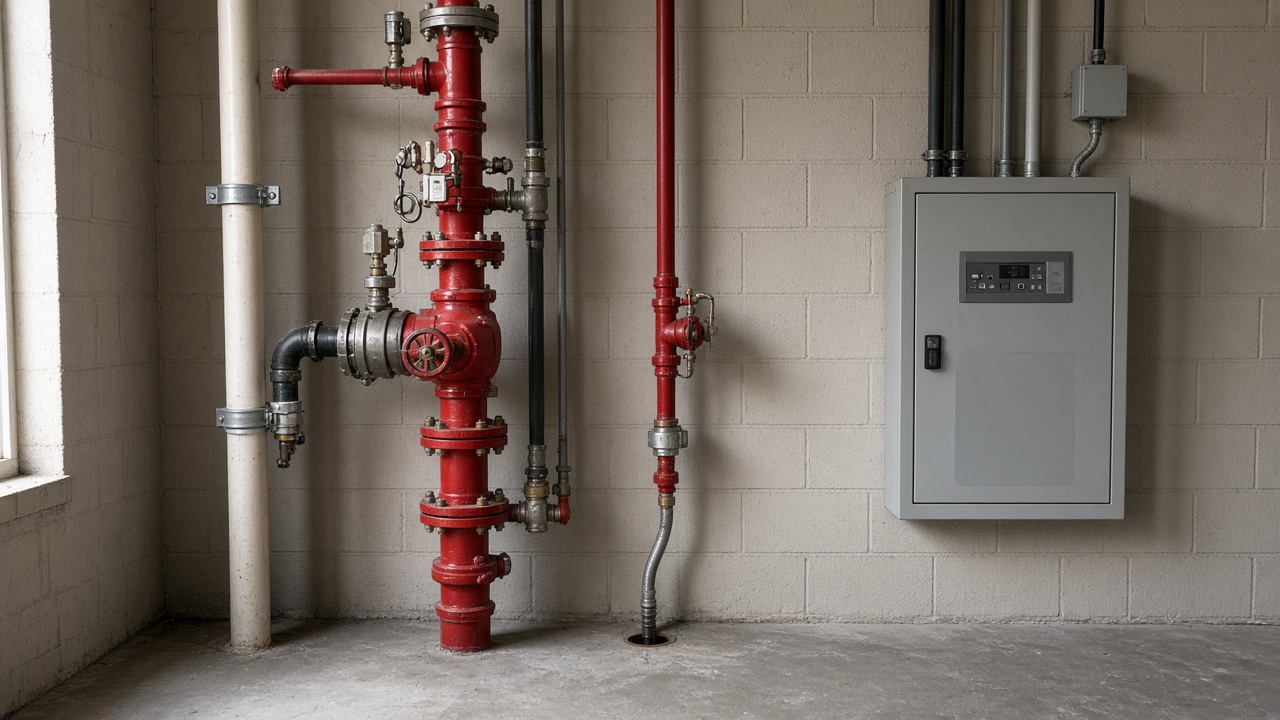
When a building's fire alarm or sprinkler system is out of service, the people inside lose an important layer of early warning. To cover that gap, the fire marshal or other authority having jurisdiction can require a fire watch until the system is restored. For property managers, contractors and business owners in Houston and across Texas, a fire watch order often arrives with little notice. This guide explains what fire watch is, when it is typically required, what fire watch officers do and how to get coverage in place quickly.
What fire watch is
A fire watch is a temporary, dedicated patrol of a building or site by people whose job is to look for fire, smoke and fire hazards and to raise the alarm if they find a problem. It stands in for the protection that an impaired alarm or sprinkler system would normally provide. A fire watch does not replace repairing the system; it covers the time until the system is back in service and the authority allows the watch to end.
When fire watch is commonly required
- A fire alarm or sprinkler system is out of service, impaired or being repaired
- Hot work, such as welding or cutting, is taking place
- A building is under construction or renovation and protection systems are not yet active
- A fire marshal orders it after an inspection or an incident
- An event or occupancy temporarily exceeds what the building's protection was designed for
The local fire marshal or authority having jurisdiction sets the requirements, including who may perform the watch, how often rounds must be made and what records must be kept. Requirements can differ between cities and counties, so confirm the details with the authority that issued the order and follow their instructions.
What a fire watch officer does
A fire watch officer patrols the building or site on a set route and schedule. On each round they look for signs of fire, smoke, heat or hazards, such as blocked exits, stored combustibles near ignition sources or doors propped open. If they find a fire, they call 911, alert occupants and help with evacuation according to the site's plan. Between rounds they make sure exits, fire lanes and access to extinguishers, alarm panels and risers stay clear.
Before the first shift, officers should be briefed on the building layout, the locations of extinguishers, exits, pull stations and alarm panels, who to call at the property and how to reach the fire department.
Keeping fire watch logs
Fire watch logs are important records. A log usually includes the time of each round, the areas checked, the officer's name and anything unusual found. Keep the logs on site and available, because the fire marshal or your insurer may ask to see them. Ask the authority having jurisdiction whether they require a specific log format.
How long fire watch lasts
A fire watch continues until the alarm or sprinkler system is repaired and the authority allows the watch to end. Depending on the repair, that can be a single shift or several weeks. Planning for the full repair timeline up front helps avoid gaps in coverage.
Fire watch on construction sites
Construction and renovation projects are among the most common places fire watch is needed. Hot work, temporary power, stored materials and protection systems that are not yet active all raise the risk. On larger sites, fire watch often works alongside access control and after-hours patrols. Our industrial and construction security page explains how VantagePro layers officers, patrols and camera trailers on active job sites, and our guide to construction site security in Houston covers theft prevention in more detail.
Getting coverage quickly
When a system fails, you may need coverage the same day. To speed things up, have the following ready when you call: the property address, which systems are impaired, the fire marshal's order or requirements, the hours and number of posts needed and the expected repair timeline. A clear scope helps a provider staff the post and set up the log format the authority expects.
What to look for in a provider
The company behind the officers matters as much as the hours on the schedule. Look for a provider that writes clear post orders for each site, so every officer knows what to check, who to call and what to record. Ask how supervisors oversee shifts and how quickly a replacement arrives if an officer is out. Reporting matters too: you should be able to see when rounds were made and what officers found.
VantagePro Security is a veteran-owned, Texas DPS-licensed security company (License #B09419101) led by professionals with 60+ years of combined law enforcement experience. Our unarmed security officers are Texas DPS Level II licensed, every shift produces a timestamped log and any incident produces a written report the same day. We offer a free site survey across Greater Houston and a written proposal within one business day.
Frequently asked questions
Who decides if fire watch is required?
The local fire marshal or authority having jurisdiction decides when a fire watch is required and sets its requirements.
Can employees do fire watch instead of security officers?
Some authorities allow it, but anyone performing the watch must follow the rules set by the fire marshal. Many owners use trained security officers so staff can keep doing their regular jobs.
How often must fire watch rounds be made?
The authority having jurisdiction sets the frequency. Follow their instructions and record every round in the log.
How do I request coverage?
Call (281) 335-6445 or request a quote with your address, the impaired systems, the hours needed and the fire marshal's requirements.
If you are in immediate danger
Call 911 first for any emergency or crime in progress. Our office line and request forms are for non-emergency coordination and follow-up coverage.